Practical planning guide
Australia after Asia — a triangle itinerary that leaves slack
Plenty of tickets read Asia city, then Australia, then Asia home. The spreadsheet then tries to hold Sydney Harbour, Melbourne laneways and a reef day inside a single week of leftover attention. This planning note argues for a triangle with slack instead: one soft city, one nature corridor and one buffer — with honesty about distances.
Use Asia for the long sector, not for FOMO spillover
A stopover in Singapore, Tokyo, Bangkok or Hong Kong is a good way to break the long haul, and it deserves its own planning. For choosing which Asian city to stop in and what to do there, we leave that to specialists such as amazing asia. Once you are on the ground in Australia, think differently: each state capital and each natural region is a project in its own right. Treat them that way, and resist the urge to make up for “missed” Asia time by cramming more Australia into the same days.
Soft city first
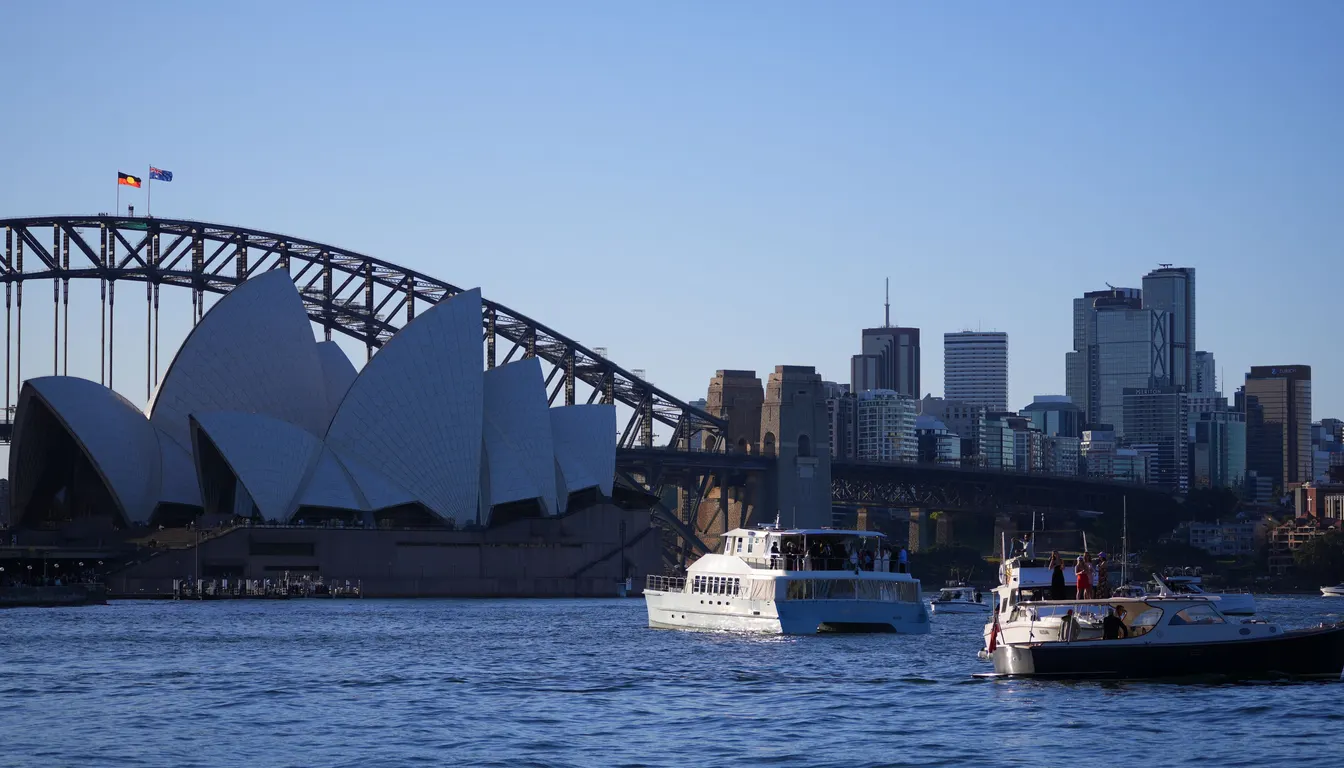
Sydney or Melbourne — or Perth, if your flights come in over the Indian Ocean — should absorb night one. Choose a hotel in a walkable area close to public transport, eat early and sleep. A harbour stroll, a laneway coffee or a riverside walk is enough sightseeing for the arrival evening. Do not book the Blue Mountains, the Great Ocean Road or an early reef boat for the morning after you land; overnight flights from Asia often arrive at dawn, and the first full day is usually slower than it looks on paper.
Two or three nights in the first city gives you one proper day to explore and a second day as a reserve. Our Sydney, Melbourne and Perth guides suggest neighbourhoods and realistic day plans.
One nature corridor second
Choose one: a harbour-and-coast day trip from Sydney, the Great Ocean Road from Melbourne, the reef and rainforest from Cairns, the Red Centre around Uluru, or Tasmania from Hobart. Not three. Each of these deserves two to four nights so that a windy reef day or a closed road has a second chance. Once you have picked, the relevant destination hub covers timing, access and how many days to allow.
Why three states fail after Asia
Domestic flights look short on a map and long at the gate. Sydney to Cairns is roughly three hours in the air, and Melbourne to Perth is longer than many flights within Southeast Asia. Add the airport transfer, check-in, delays, bag collection and the drive into town, and a “short hop” is half a day. Do that three times in a week, with a body clock still somewhere over the South China Sea, and the holiday becomes a sequence of terminals. Two bases beat four hotels.
Sample triangle
- Asia hub nights. Break the long sector, adjust a few hours and arrive in Australia rested rather than wired.
- Australian soft city (2–3 nights). Walkable neighbourhood, early nights, one outing per day.
- One nature corridor (2–4 nights). Reef, coast, desert or island — with a spare weather day.
- Return city buffer before Asia home. One night near your departure airport so a delayed domestic flight cannot break the international connection.
Timing buffers and weather
Build a spare half-day into every plan after long-haul. Forecasts flip, attractions close and traffic stacks up on peninsula and ranges roads on sunny weekends. In the tropical north, the wet season from roughly November into April can cancel boat trips at short notice. An empty afternoon is not failure — it is what makes the next morning’s photos possible. Our best time to visit guide explains how the seasons differ between the south and the tropics.
Money, SIM and authorisations
An eSIM bought for Asia sometimes roams in Australia at painful rates. Buy local data if you need maps, rideshare and booking SMS; our eSIM guide covers what to compare. Notify your bank before Australian spending starts, and keep hotel confirmations and tour vouchers available offline. Check your visa or electronic travel authority for your passport before the first sector, not at the Asian hub.
Micro-itinerary detail that survives jet lag
Morning: one outdoor focus only. Midday: a proper meal, sitting down. Afternoon: an optional second short stop, or a return to the hotel for a nap. Evening: early dinner, no heroic nightlife. That rhythm looks boring on social media and feels excellent in a body that crossed Asia yesterday.
Tips for mixed-language groups
Screenshot meeting points, return times and hotel addresses. Agree a messaging check-in time for days when the group splits up. If English is an additional language for some travellers, favour quieter venues for the first meal so instructions and allergies can be heard clearly, and confirm tour pick-up details in writing.
Closing the loop toward Asia again
Evening departures from Australian cities toward Asian hubs are common. Do not schedule your only cape, coast or ranges morning on departure day unless the international flight is late and the road return is proven. Nature first; terminal second, with margin. If your nature corridor is far from the departure city, fly back the day before.
Why this page exists
Independent guides should tell you when not to go as clearly as where to go. After Asia, the scarce resource is attention, not ideas. Spend it on one landscape done well. Official park and transport pages change, and tour inclusions change too. This page does not quote prices, tour codes or opening hours; use it for sequencing and jet-lag honesty, then confirm live details on official and operator pages in the week you travel. Where booking tools appear elsewhere on this site, they are clearly labelled and kept separate from editorial advice.