Independent travel guide
Where to go in Australia
Australia’s most rewarding routes connect places that make geographic sense. Pick a gateway, understand the season and leave enough time to experience it beyond the airport.
City and coast
Sydney combines the harbour, ocean beaches and easy public-transport day trips. Four or five days gives a first visit room for a coastal walk and neighbourhoods beyond Circular Quay. Melbourne is strongest for food, galleries, sport and live culture, with the Great Ocean Road and Phillip Island as long but feasible regional excursions. Brisbane and the Gold Coast pair a warm climate with hinterland trips, while Adelaide is a compact base for wine regions and South Australian coast.
Reef and tropical north
Cairns is the practical gateway for Great Barrier Reef boats, Kuranda and the Wet Tropics. It is not a beach town in the usual sense; travellers wanting sand often add Palm Cove or Port Douglas. Darwin is the jumping-off point for the Top End, where dry-season access and tour schedules matter. The Whitsundays suit sailing and island time, but boat style, weather and departure point change the experience considerably.
Red Centre, west and islands
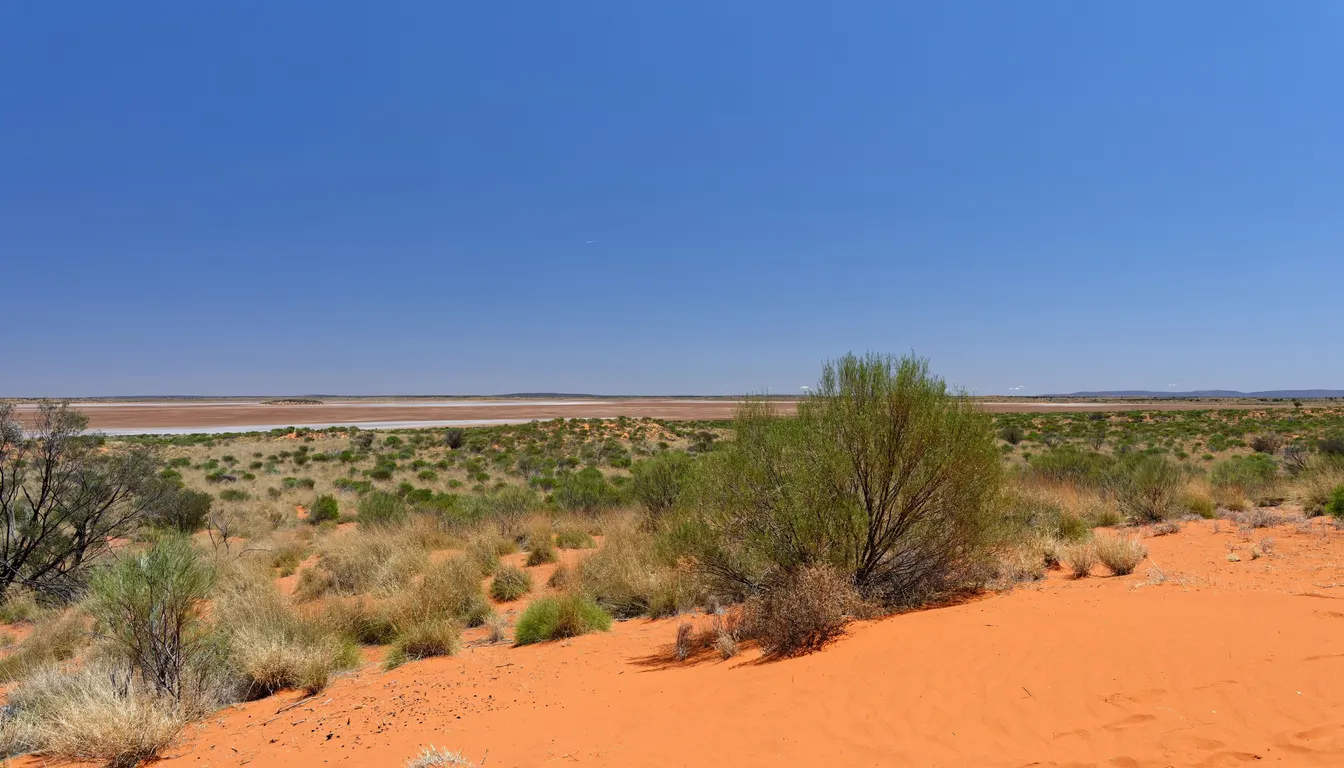
Uluru and Alice Springs require respect for heat, distance and Traditional Owner guidance. Perth offers Indian Ocean beaches, the Swan River and a launch point for a much larger Western Australia trip. Tasmania packs mountains, historic towns and coast into a smaller map, yet winding roads make a slow itinerary essential.
Match the destination to the calendar
May to October is generally the easier period in the tropical north. Southern spring and autumn balance mild weather with fewer peak-summer crowds. January can mean heat, school holidays and limited accommodation; winter brings good-value city breaks but cold conditions in Tasmania and alpine regions. Bushfire, flood and cyclone conditions vary each year, so check state emergency and park services close to departure.
Use gateways carefully
A city label can hide a long transfer. Melbourne Airport is outside the rail network; Cairns reef boats have fixed check-in times; Uluru, Alice Springs and Kings Canyon are separate places rather than one compact destination. Check the exact arrival airport, terminal, rental-car hours and accommodation reception before committing to a connection. Island and coastal destinations may depend on ferries that do not meet every flight.
Choose for the experience, not the checklist
For beaches and city life, choose Sydney, the Gold Coast or Perth according to season and onward route. For reef access, Cairns offers the broadest day-trip logistics while the Whitsundays emphasise sailing and islands. Melbourne and Adelaide make strong food-and-wine bases; Hobart adds mountain and maritime landscapes. The Red Centre rewards cultural learning and desert walking, while Darwin works best as a launch point for a properly timed Top End journey.
How much time to allow
Use three nights as a minimum for a major city and add separate nights for regional trips rather than stacking consecutive twelve-hour tours. A two-week visit can combine two cities and one nature region comfortably. Three weeks makes one coherent coast or a deeper state itinerary possible. Crossing the whole country is better saved for a dedicated rail journey or a longer road trip.